Most people book Croatia through a platform because that is where the search starts. Booking direct with the owner is not more risky if you know what to look for, and it is usually cheaper — not because the owner undercuts the platform, but because the commission is not in the price.
The tourist tax
Croatia charges a tourist tax per person per night, set by the local authority and varying by season. Children under twelve are exempt and there is a reduction for teenagers. It is a small amount, it is legitimate, and the owner collects it on behalf of the municipality.
What you should expect is to see it stated clearly before you book. A quoted price that turns into a different number on arrival is a warning sign about everything else.

eVisitor and your passport
Every guest staying overnight in Croatia must be registered with the authorities. The system is called eVisitor and the host does it — which is why they will ask for your full name, date of birth, nationality and passport or ID number, usually before or on arrival.
This is a legal obligation with a deadline: guests are registered within 24 hours of arrival and checked out within 24 hours of departure. It is not a data grab and it is not optional for the host. What you can reasonably ask is how long they keep the data and what else they use it for — a serious host will have an answer.
Deposits and payment
The normal pattern is a deposit at booking, typically around thirty percent, with the balance either before arrival or on the day. Bank transfer is standard; many small hosts do not take cards.
Get the terms in writing before you transfer anything: the total, what is included, the cancellation policy, and the arrival and departure times. An email confirming all of it is a contract, and it is the thing you will want if anything goes wrong.
Cancellation
This is where direct booking differs most from a platform. There is no standardised policy — each host sets their own. Read it before you pay rather than after, and be aware that accommodation for specific dates is normally outside the EU's fourteen-day right of withdrawal, so the host's own terms are what apply.
Reasonable terms exist and are common: a sliding scale by how far out you cancel. What you want to avoid is no stated policy at all.
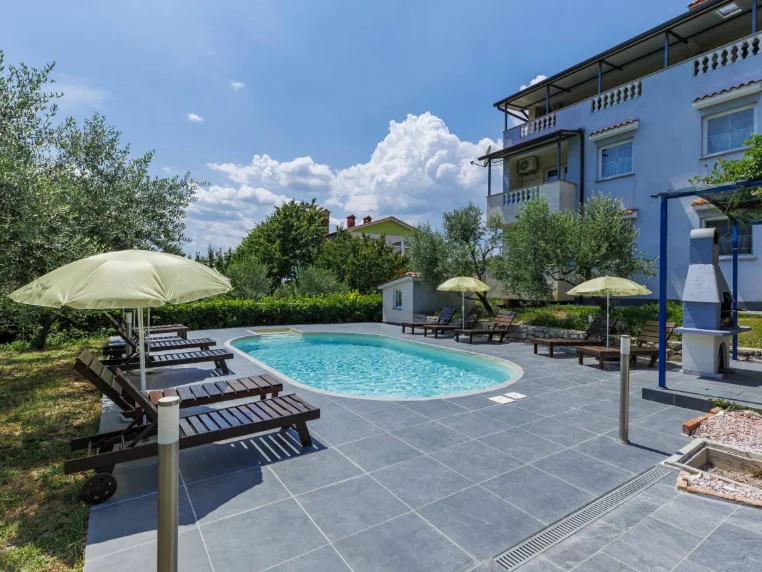
Where to stay
Apartment Gordana
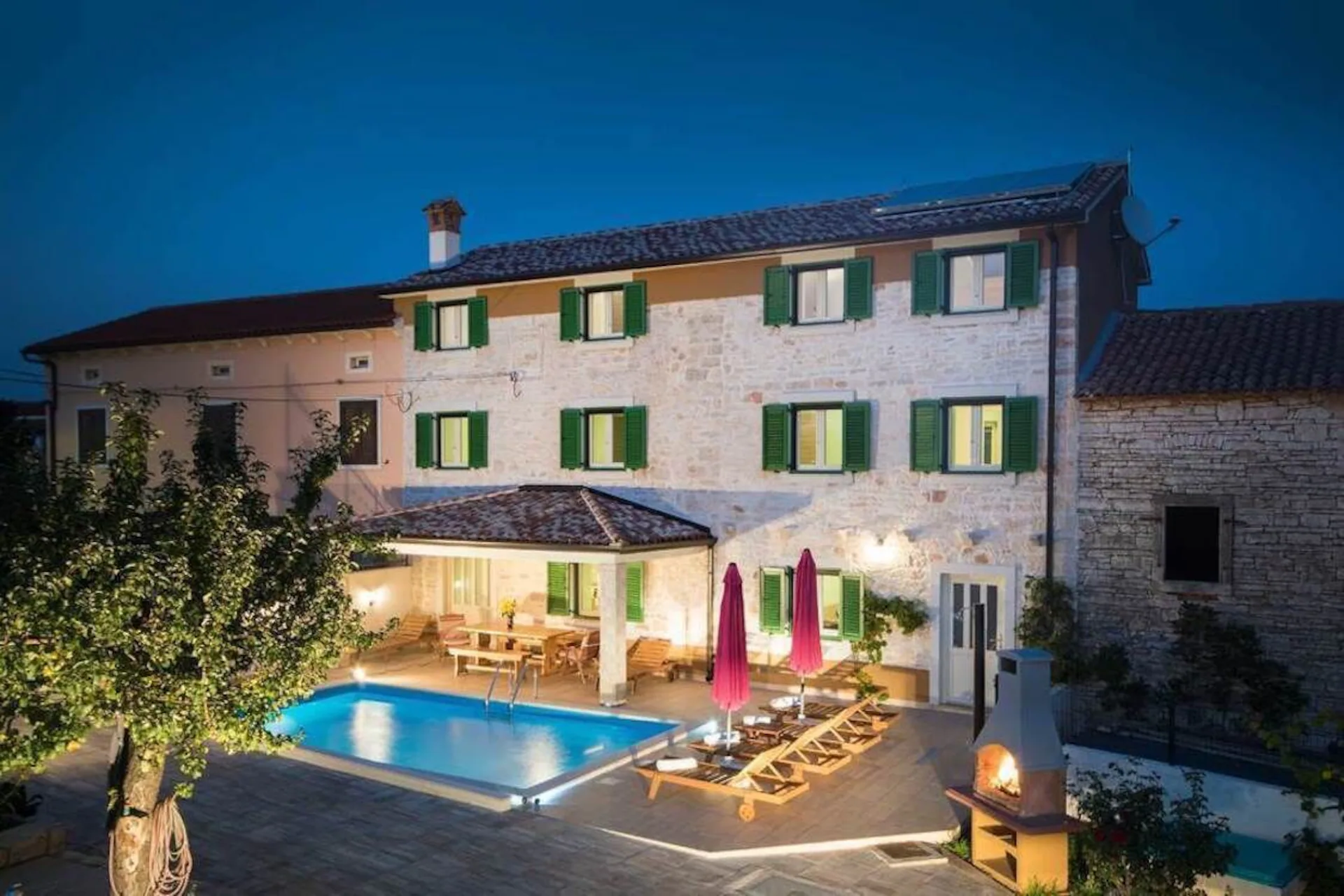
Where to stay
Villa Karla
Why it is often better
The practical difference is that you are talking to the person who owns the house. Ask whether the pool is shaded in the afternoon, whether the road is steep, whether a cot will fit in the second bedroom — and you get a real answer, from someone who will be there when you arrive.
The other difference is money. Platform commission sits in the price whether or not you see it as a line. Booking direct does not always save you thirty percent, but it is rarely more expensive, and it means a problem is solved by a phone call rather than a support ticket.
Before you pay
Total price including tax, cleaning and linen. Deposit amount and what it is for. Cancellation terms in writing. Arrival and departure times. An address and a phone number that works. And the name of the person you are dealing with.
If all six are clear and confirmed by email, you are on firmer ground than most platform bookings, where the answer to half of them is "contact the host".


