Istria makes very good wine and sells almost none of it abroad. The region is small, the producers are smaller, and most of what they make is drunk in Croatia and northern Italy. That is the whole reason to drink it here.
Malvazija istarska
The white grape that accounts for most of what is planted, and the one to start with. In its everyday form it is dry, light, and faintly bitter at the finish — green apple and acacia, sometimes a note of almond. It is made to drink young, cold, with fish, and it does that job better than almost anything.
The serious versions are a different wine altogether: fermented on the skins or aged in acacia barrels, deeper in colour, with texture and grip. If a producer offers you both, taste both. The gap between them is the most interesting thing in Istrian wine.
Note that "malvasia" appears all over the Mediterranean and these are not the same grape. Istarska is its own variety.

Teran
The red, and an acquired taste that is worth acquiring. Very dark, very high in acidity, low in tannin, with a sharp red-fruit character that can be startling if you were expecting something soft.
It is a food wine and it does not make sense on its own. Drink it with cured ham, with grilled meat, with anything from the fire. It grows on the red soil of central Istria and it tastes like it was designed for what that soil also produces.
What else is grown
Refošk, a relative of teran, rounder and easier. Some very good chardonnay and sauvignon. Muškat momjanski, a sweet muscat from the north around Momjan, which is a proper regional speciality and rarely leaves the area.
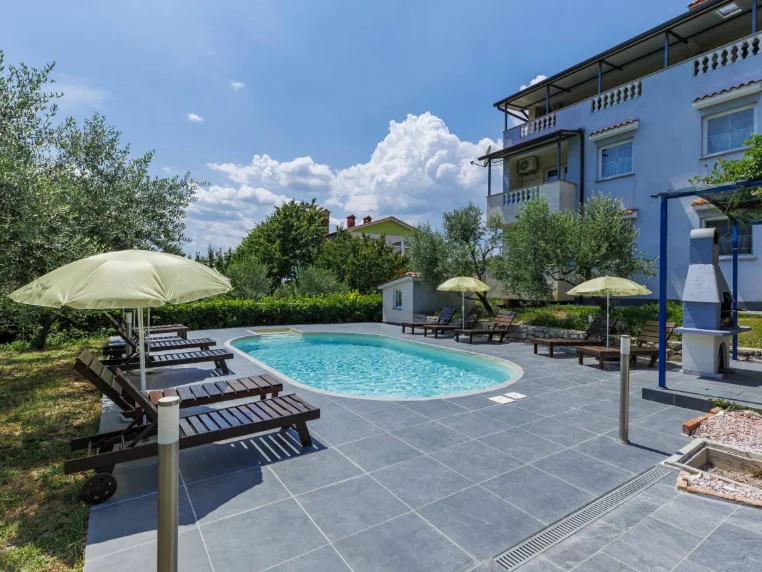
Where to stay
Apartment Gordana
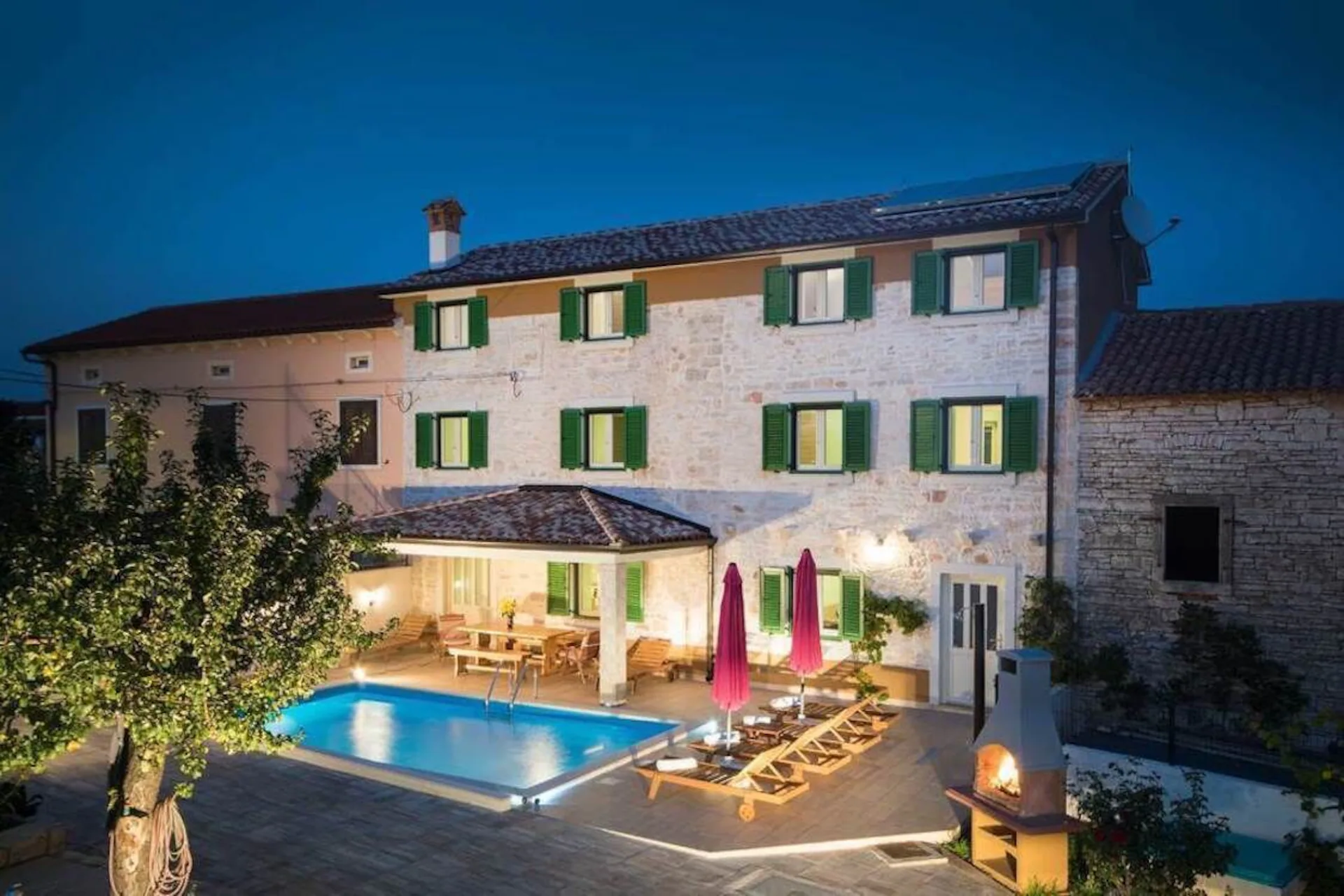
Where to stay
Villa Karla
How tasting works here
The Wine Roads are signposted routes through the growing areas, mostly in the interior and the north. Producers on them are set up for visitors, but this is not Napa: many are small family operations where tasting means sitting at a table in the working part of the building.
Call ahead outside high season. Some of the best producers are two people and a tractor, and if they are in the vineyard nobody is at the door.
Expect to be offered a lot for very little money, and expect it to be difficult to leave without buying something. That is fine — it is the reason to come.
The obvious problem
The wine areas are inland, the roads are winding, and Croatia's drink-driving limit is effectively zero for anyone with less than a certain amount of experience and low for everybody else. Enforcement is real.
Have a designated driver, or spit — no producer will be offended, they do it themselves. Several agencies run tours from the coast if neither option appeals.
When to go
Any time, but September and October are best: the harvest is on, the cellars are busy, and there is more to see than a tasting room. The interior in autumn is also the most beautiful Istria gets.


