The northern Adriatic is not the Red Sea and nobody should pretend otherwise. What it has instead is exceptional visibility, cold-water clarity, a seabed littered with two world wars, and dive sites twenty minutes from shore.
What the water is like
Visibility is typically fifteen to thirty metres and can be better in autumn once the summer plankton has gone. The bottom is limestone and sand rather than silt, so it does not cloud when a fin touches it.
Temperature runs from around twelve degrees in late winter to twenty-four or twenty-five at the surface in August — but there is a thermocline, and below twenty metres it stays cold all summer. A 5 mm wetsuit is the minimum for anything deep; many local divers use a drysuit outside July and August.

The wrecks
The Baron Gautsch is the famous one: an Austro-Hungarian passenger steamer that struck a mine in 1914 and went down with heavy loss of life. She sits upright at around forty metres off the coast, largely intact, and is a war grave — dived with a guide, with respect, and not penetrated casually.
Forty metres puts her firmly outside recreational limits for most divers. If she is the reason you are coming, you need the certification and the experience before you arrive, not after.
There are shallower wrecks along this coast too, from both wars, at depths that suit an advanced open water diver. Local operators know them and will tell you honestly what is within your range.
Caves and walls
The limestone coast is full of them. Cave dives here are mostly short, shallow, and lit from the entrance rather than true overhead environments — which makes them accessible without cave certification, and genuinely memorable. The light coming back through the entrance is the thing people remember.
The walls around Kamenjak and the outlying islets drop into good structure, with the usual Adriatic cast: scorpionfish, octopus, conger, and in autumn the occasional larger visitor passing through.
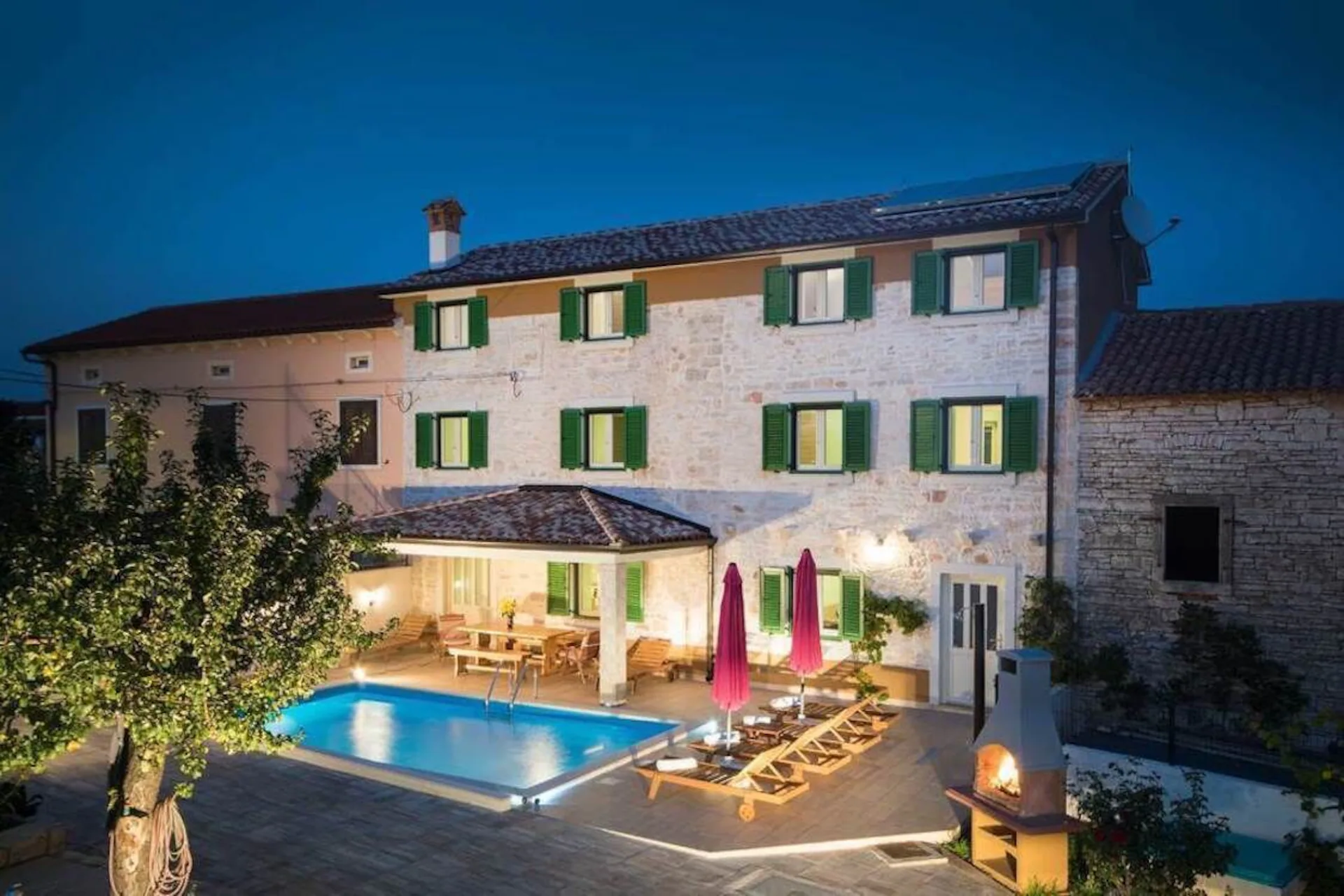
Where to stay
Villa Karla
Starting from nothing
Several centres around Pula and Medulin run introductory dives and full open water courses, and the sheltered bays make good training water. A course takes three to four days; a try dive takes a morning.
If you are certified but out of practice, say so. Cold water at depth is less forgiving than the tropics, and an honest briefing is worth more than a polite one.
When to dive
May to October. September and October are the best months: the water is still warm at the surface, the visibility has improved, and the boats are not full. July and August are perfectly good but everything needs booking.
Do not plan a dive for the day before you fly. The standard advice on surface intervals before flying applies here as anywhere, and Pula's short flights out are not an exception.


